Let's make a deal!
Monday 19 May 2025
FlyingOwning a plane
Buying a plane isn’t just about finding the right aircraft. Once you’ve found “the one”, the real work begins: negotiations, paperwork, and a fair bit of uncertainty. Now that we have found a Robin that we like, it was time to try and actually buy it.
We have started negotiations with L’Union Aérienne Lille Roubaix Tourcoing (UALRT) to convince them to sell the F-GSBM to us. Next to price, we also had to come to an agreement on work to be done before handover. This was the first time we were negotiating with a French flying club - something completely new to all of us.
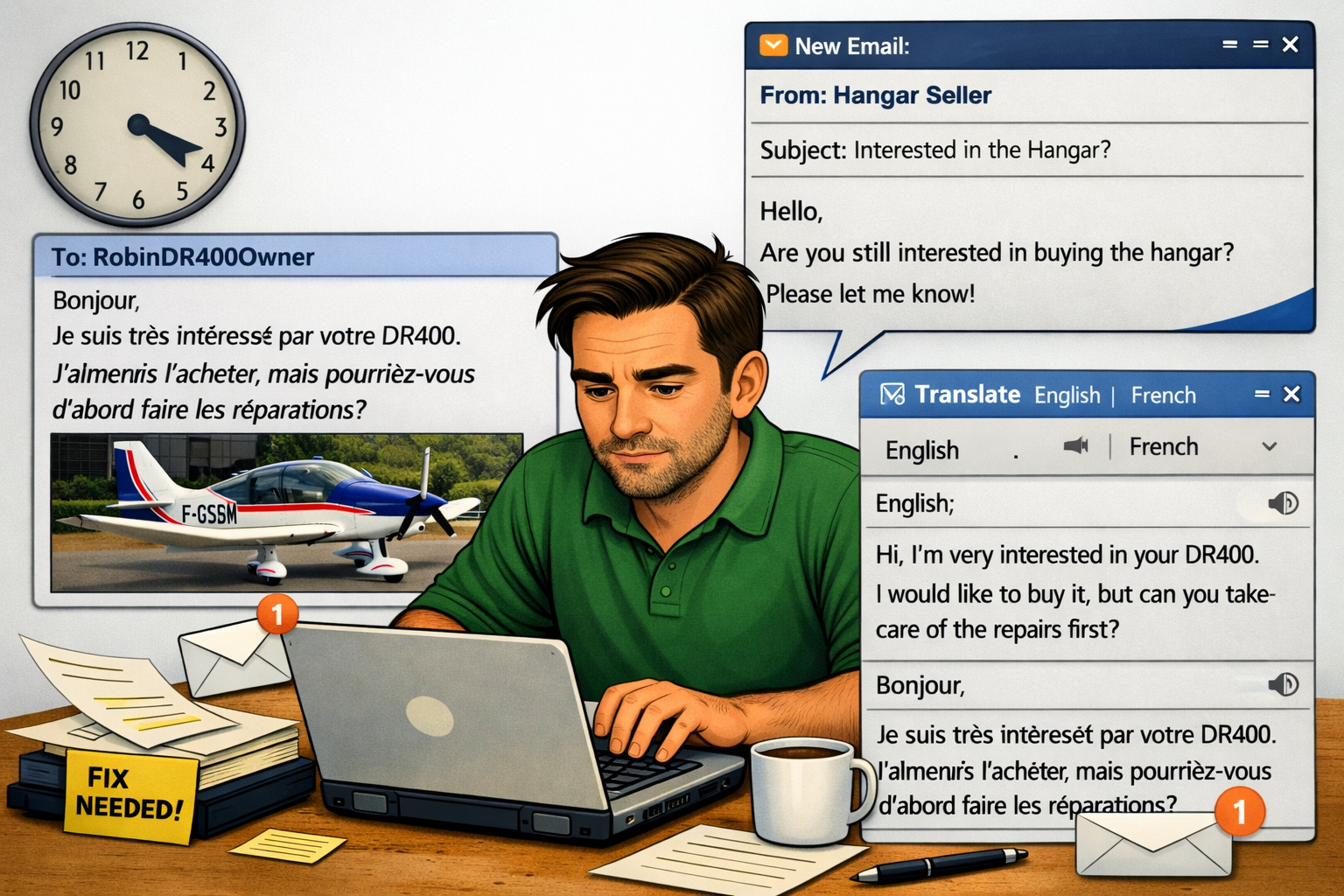
Trying to buy the F-GSBM
Translation apps and websites do what they are supposed to do, but it takes forever to get a message across, and all emotions are lost in the process. Luckily, the chairman of the flying club was fluent in English. If not, it would have been impossible to make any progress.
After our visit to them, we have sent them a report with our findings. Some of these needed to be fixed; if not, they would be showstoppers for us. And then there were items in the report that need attention, but they were mainly there to lower the price.
Wing repair
Overall, F-GSBM was in good condition. However, as mentioned in the previous post: the plane collided with a drone some time ago and that damaged the right-hand side wing. We already noticed something in the photo on PlaneCheck before we visited the plane. And once we were there, it was clear that there’s some damage that needs fixing.
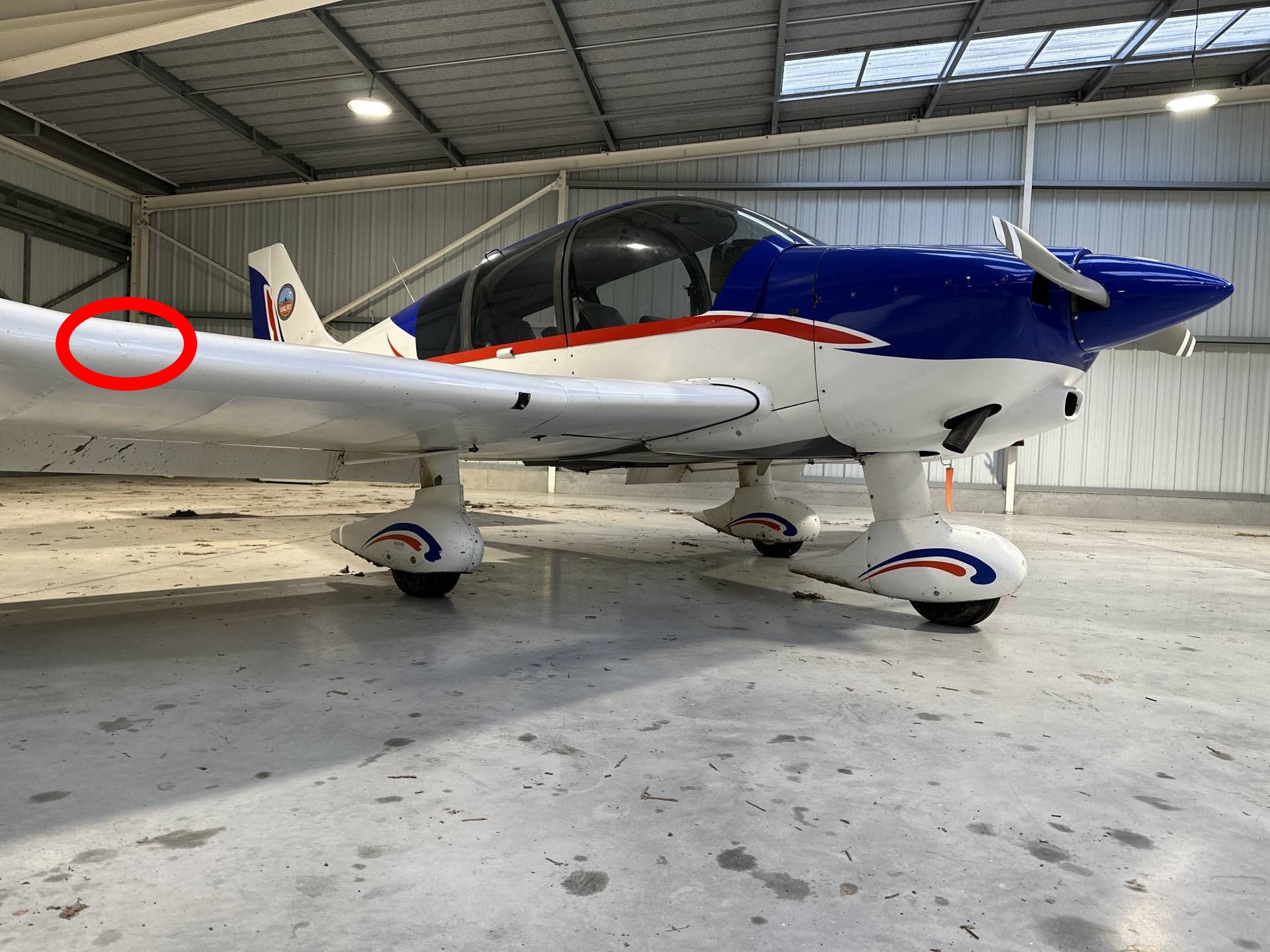
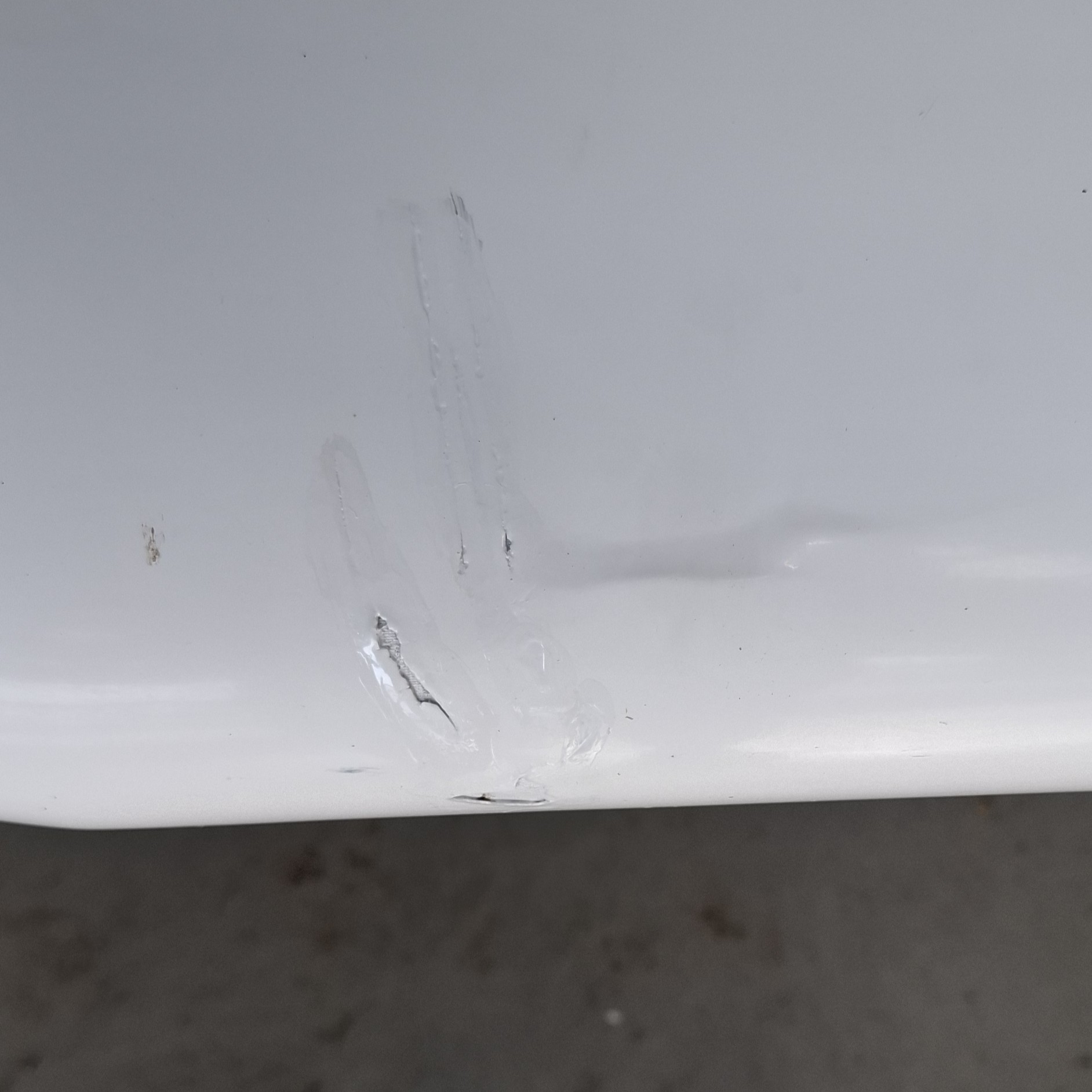
Getting this repaired by a shop in the Netherlands was going to be difficult. Not many aviation maintenance shops do this type of work. However, the plane has been maintained by a shop on a nearby airport (Lens – Bénifontaine - LFQL), and they do this type of work. Therefore, we asked the flying club to take care of repairing the wing before handing it over to us.
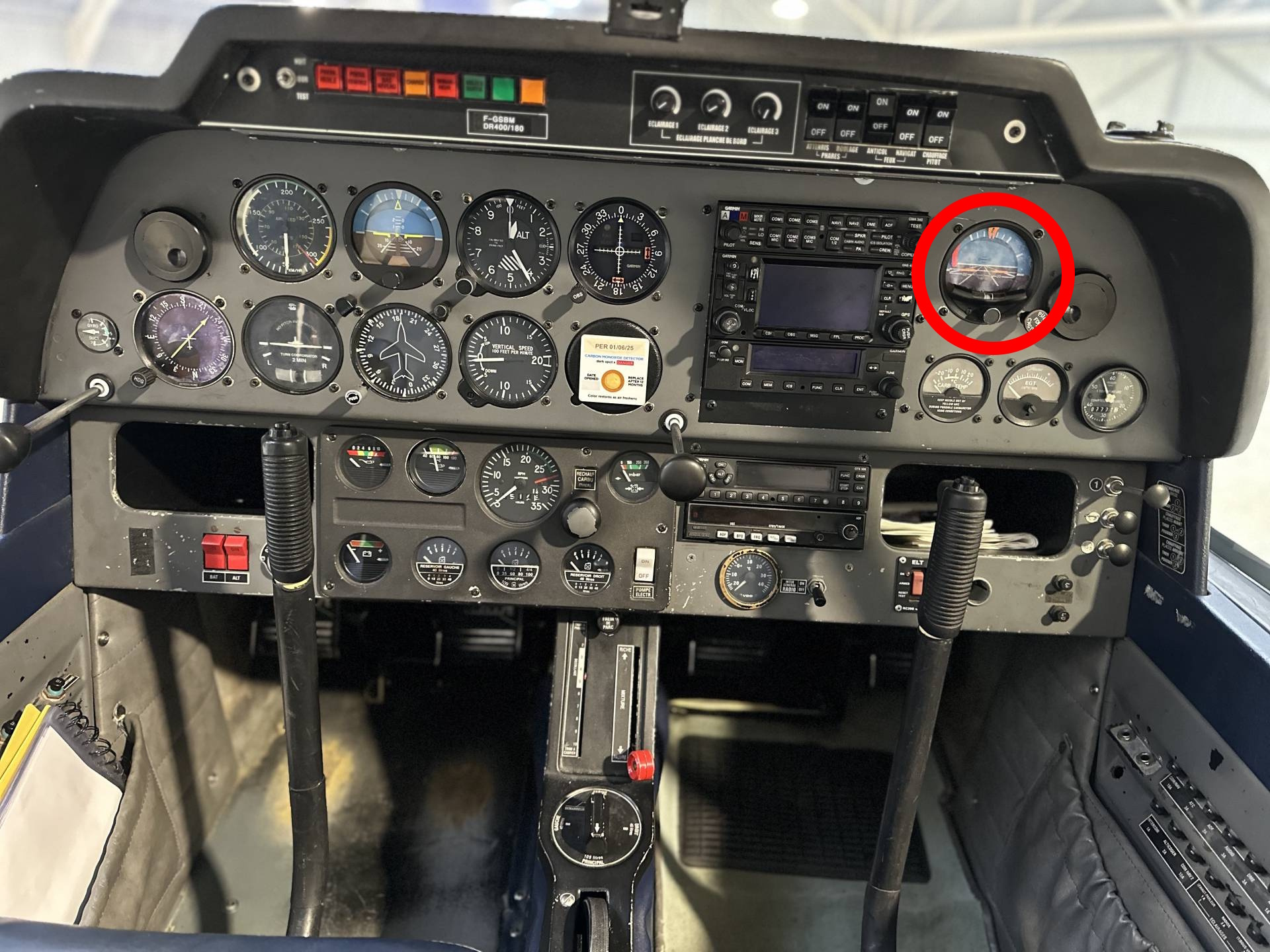
Faulty horizon indicator
During the test flight, the seller mentioned that the right-hand side horizon indicator was not working. Instruments are expensive and it does not make sense to buy a plane with a faulty horizon. Since their maintenance shop had to do work on the wing, they must also be able to get the horizon fixed. Another condition in the negotiations.
Learning to negotiate across borders
As a Dutchman, I am used to being direct and I expect almost immediate response to my questions. However, as we have learned, our French counterparts clearly have a different way of working. When we sent an email, it could take a week before we got a reply. Nervous moments as you don’t know if you offended the recipients or if they are thinking about what you have sent them.
However, we were pleasantly surprised by their responses. They accepted our “work to be done” list and after some mails back and forth, we agreed on pricing as well.
And yet another road trip
All the emails resulted in a sales agreement that we could all sign. But before doing so, we wanted to make sure that all logbooks and paperwork were in place.
So, back in the car on our way to Lille. Once we got there, Bas had to review a ton of paperwork and concluded: it’s fine. Based on that enthusiastic response we informed the président de l’association that we had a deal!
The sales agreement was signed, and judging by the photo, we were pretty excited and happy 
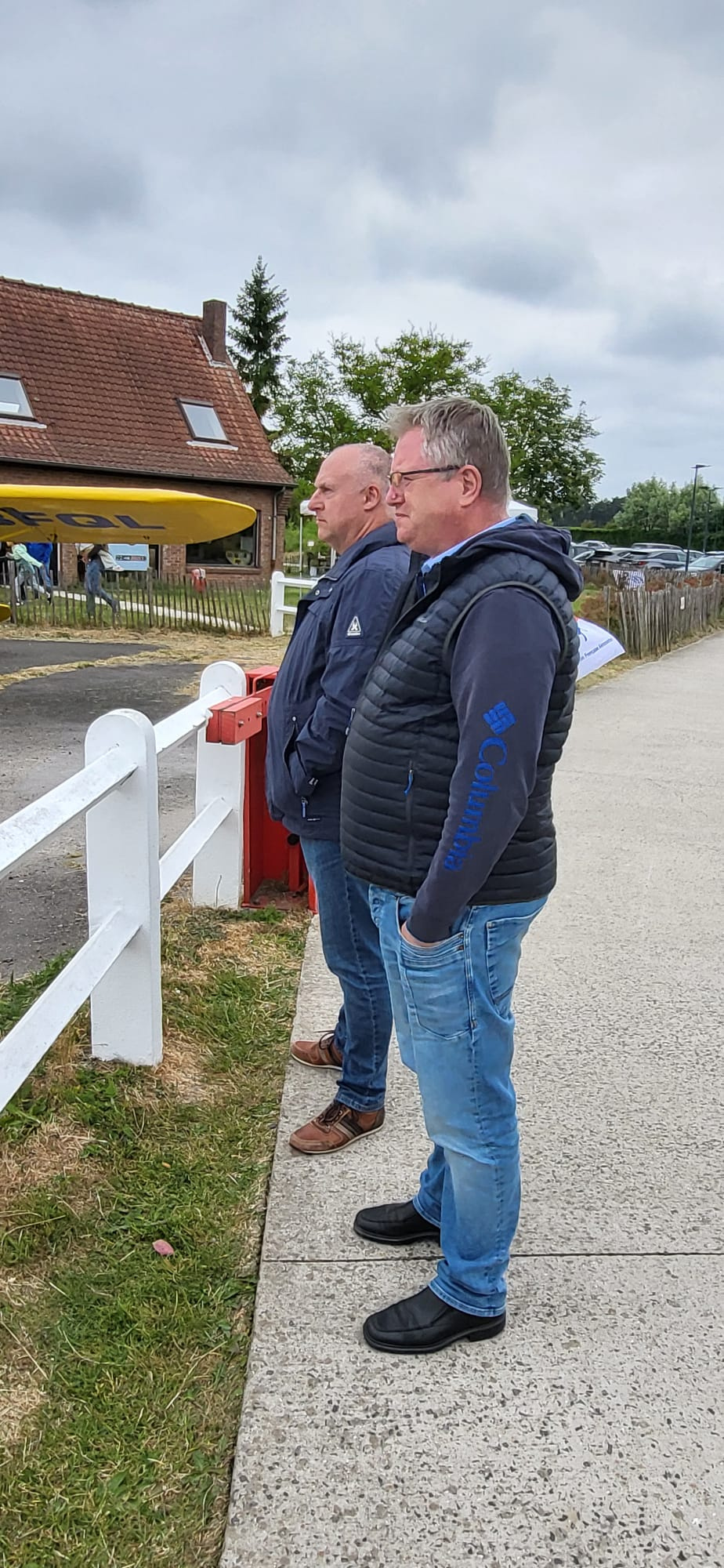
That image also shows how good the photo stabilization features of Gea’s phone are. She was jumping all over the place like a child that had way too much candy 
Now that we have bought the plane, we need to get going with a lot of practicalities. The flying club has homework to get the repairs done and we will jointly need to define the date to pick up the plane.
In the meantime, we need to sort out insurance and arrange hangar space.
Find a home for the plane
Next to searching for a plane, we also continued to search for hangar space just to make sure that we have a place once we would buy a plane.
Some time ago we received information that a privately owned hangar at our home base (Teuge – EHTE) may be up for sale. Gea contacted the owner and asked if that information was correct. They replied that they were already negotiating with a potential buyer. We concluded that we should pursue other options.
We focused on trying to rent space in the hangar of our local flying club Motorvliegclub Teuge. They sold one of their planes some time ago and that created space in their hangar.
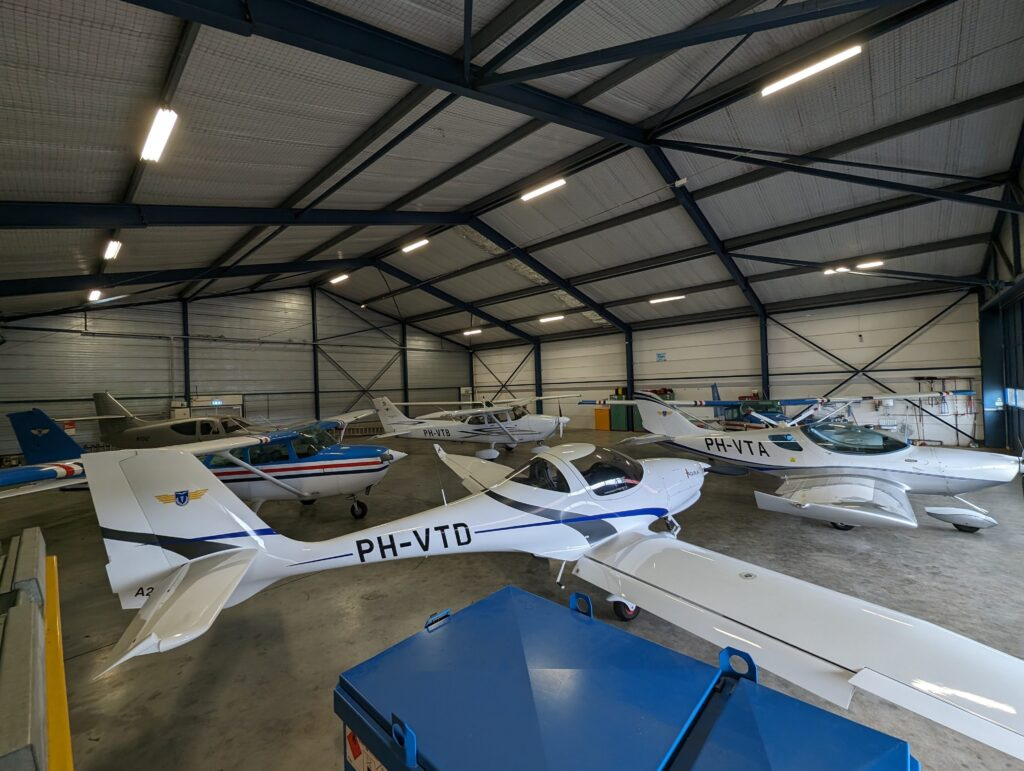
All three of us are members of the club, so we know the hangar and operations. And over the last week, I have received a tailor-made agreement to store the F-GSBM in their hangar. We just need to sign the contract and we are done.
 Surprise
But then, a few days before we were off to France, Gea received a phone call from the owner of the hangar asking if we were still interested in buying. Eh… okay, we didn’t see that coming. But this was a rare opportunity.
If you go back to the Can we afford it? post, you’ll remember that hangar space is one of the bigger recurring costs of owning a plane. By buying a hangar, we invest a lot upfront, but as a result, we reduce the annual cost. And so far, hangars have not become any cheaper, so we expect that we will get our investment back in the future if we need to sell it at some point.
Gea and I met the owners in their hangar on the day before we had to go to France. We liked what we saw and decided to buy it!
So, once we signed the sales agreement for the F-GSBM we had some news for Bas: Gea and I bought this yesterday:
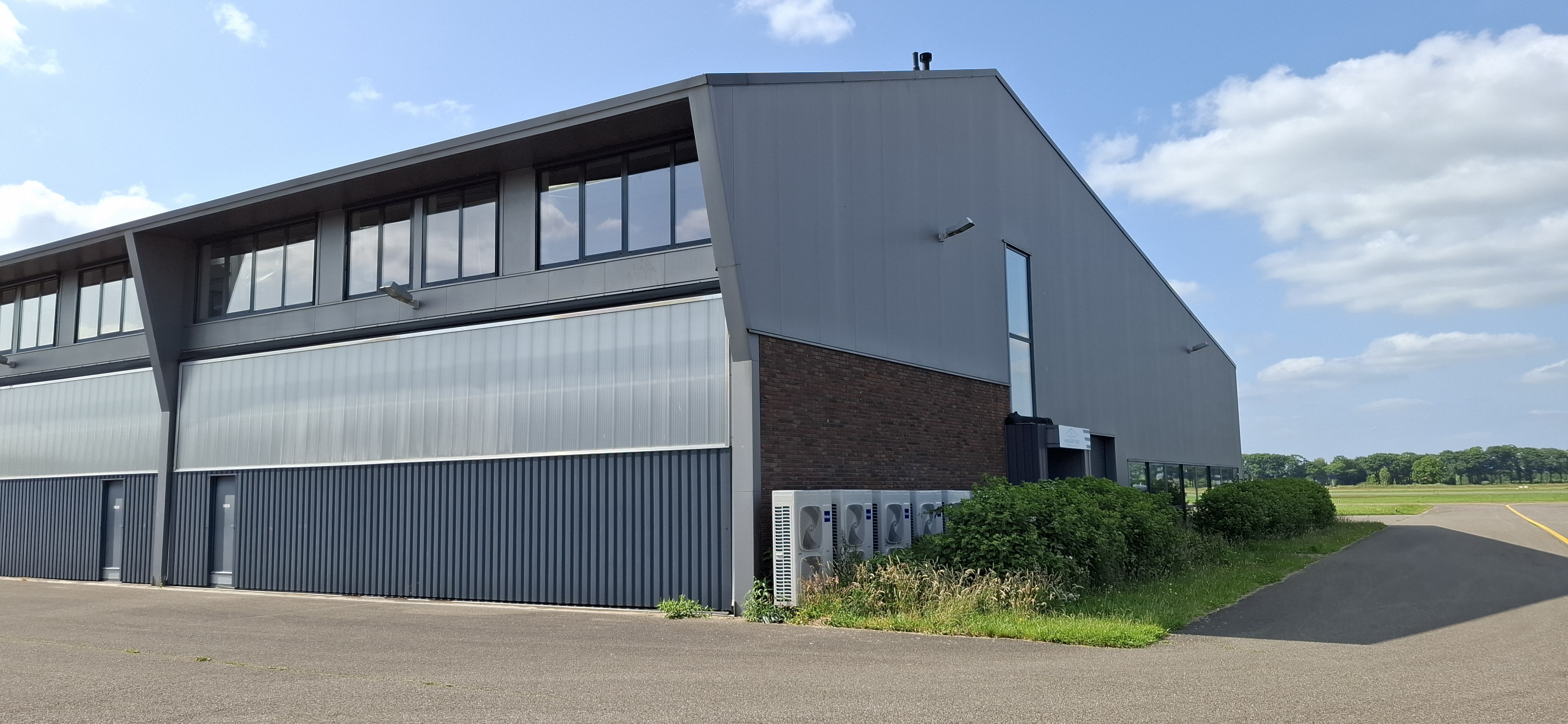
He didn’t see that coming but immediately saw the potential of having our own hangar. Bas is going to do maintenance on the plane, and we would not have been able to do so in the hangar of the flying club. Owning a hangar allows us to do whatever we want to do in it - although Bas will strongly object to dripping oil on the floor 
Next step: more paperwork
UALRT will need a bit of time to figure out when the repairs can be done, depending on the availability of their maintenance shop. This will define when we can pick up the plane.
While we wait for them to get back to us with a proposal, we will work on all the paperwork; this includes items like transferring the ownership of the plane, getting an insurance policy and transferring the ownership of the hangar. So, there is a lot of work to do.
It still feels a bit surreal that after all these spreadsheets, road trips, and emails, there’s now a real airplane and a real hangar involved.
Want to respond to this post?
Look me up on GitHub,
 Facebook or
 LinkedIn.
Tags
- 3D 9
- Air Safari 19
- Australia 67
- BlackBerry 1
- Blue Sky Flying Adventures 33
- By Boat 4
- By Bus 2
- Dev Containers 3
- Domoticz 2
- Driving 31
- Facebook 1
- Flying 44
- Gallery 2 7
- Google Maps 4
- Hugo 1
- Jekyll 4
- Linux 3
- NextGEN Gallery 5
- Owning a plane 8
- Podman 3
- Red Centre Tour 19
- Singapore 3
- Tasmania 10
- USA 33
- WSL 2 4
- Walking 42
- WordPress 17